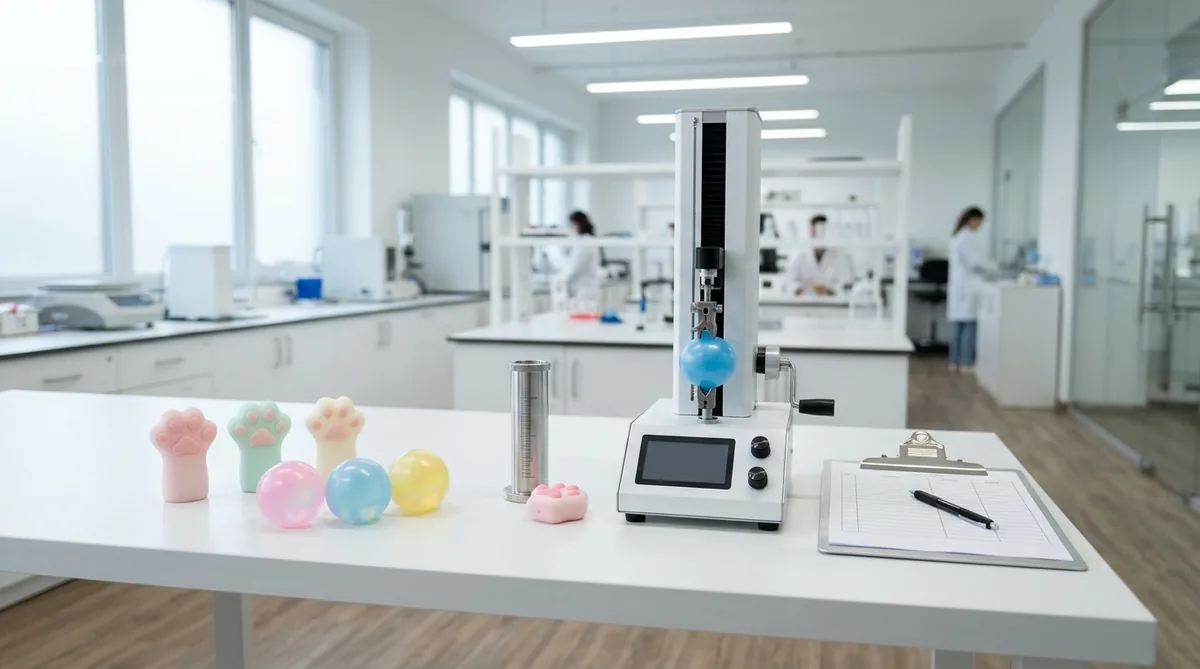
Yes, factory-made platinum silicone taba squishies and virgin TPR squishies are safe for kids ages 3+ when they are 100% water-bead-free and backed by valid ASTM F963-23, CPSIA Section 102, and US CPC lab reports. The real safety hazards come from banned super-absorbent water beads hidden inside cheap mesh balls, recycled TPR laced with phthalates, and uncured home-poured silicone kits.
Every quarter, hundreds of squishy toy listings get pulled off Amazon US overnight, and it rarely happens because the toy looks ugly. It happens because an importer bought cheap stock loaded with expanding water beads or failed to upload a valid US Children's Product Certificate (CPC) backed by a CPSC-accepted third-party lab. One safety recall wipes out an entire year of wholesale margin.
So, are taba squishies and TPR stress balls actually safe for kids? Yes, when they are molded from food-grade platinum silicone or virgin TPR with zero water beads and verified under US CPSC 16 CFR Part 1250. Below are the 5 exact safety red flags every parent, school buyer, and toy importer should check before buying a single carton.
Are Taba Silicone & TPR Squishies Safe for Kids in 2026?
Taba silicone squishies and TPR stress balls are safe for children aged 3 and older only when three non-negotiable standards are met: virgin food-grade raw materials (zero phthalates or heavy metals), 100% water-bead-free solid or gel cores, and passed ASTM F963-23 physical torque/tension and small-parts testing. Any toy missing batch-traceable lab documentation fails US retail and Amazon compliance.
| Squishy Material & Core | Safe for Ages 3+? | Required US / EU Lab Standards | Main Safety Risk to Audit |
|---|---|---|---|
| Platinum Liquid Silicone (Taba) | Yes (3+) | ASTM F963-23, CPSIA, EN71-1/2/3 | Uncured catalyst odor or loose decorative charms |
| Virgin TPR + Sugar Gel / Dough | Yes (3+) | ASTM F963-23, CPSIA Phthalates (<0.1%) | Thin seams (<1.8 mm) splitting under bite/pull |
| Slow-Rising PU Foam | Yes (3+) | ASTM F963-23, EN71-3, DMF-Free test | Residual solvent odor from low-grade foam |
| Water-Bead Mesh / Orbeez Balls | NO (High Hazard) | Restricted / Banned by major US retailers | Internal ingestion & intestinal blockage if ruptured |
You can inspect our full testing workflow and material certificates on our Factory Quality & CPSC Compliance page. Notice that we do not sell water-bead stress balls at any price point.
5 Ways to Spot Fake, Toxic, or Dangerous Squishy Toys
Spotting an unsafe squishy batch takes less than 3 minutes if you know what physical and paperwork signals to inspect. Check these 5 red flags on every pre-shipment sample before wiring your deposit:
- Expanding Polymer Water Beads Inside the Shell: Squeeze the toy under a bright phone flashlight. If you see perfectly round, translucent jelly marbles shifting independently inside clear water, reject it immediately. Under federal toy safety crackdowns and ASTM F963-23 updates, super-absorbent polymer beads pose severe ingestion hazards if swallowed.
- Sharp Chemical or Kerosene Odor Out of the Bag: Virgin TPR and cured platinum silicone smell neutral or faintly sweet. A harsh plastic, vinegar, or gasoline smell signals recycled scrap TPR or excess phthalate plasticizers that violate CPSIA Section 108 (16 CFR Part 1307), which caps 8 restricted phthalates at 0.1% (1,000 ppm).
- Oily Residue That Stains Paper Towels: Press a sample onto a white tissue for 30 seconds. Excessive greasy migration means the factory over-dosed low-grade mineral oil to make cheap silicone feel artificially soft. That oil degrades packaging and irritates sensitive skin.
- Loose Glued-On Toppings (Small Parts Choking Risk): On handmade taba squishies (cat paws, waffles, desserts), mini plastic beads, fake sprinkles, or acrylic eyes glued onto the outside routinely fail the 16 CFR 1501 small-parts cylinder test. Safe factory taba silicone squishies either mold details integrally or seal toppers inside the clear silicone matrix.
- Missing Batch Tracking Label or Fake PDF Certificates: Every US children's toy must carry a permanent CPSIA Section 103 tracking label (manufacturer/importer ID, batch code, production date, city). If a supplier sends you a 2021 test report with blurred lab accreditation numbers, walk away.
Why Home-Made DIY Taba Squishies Fail Retail Safety Rules
Home-poured DIY taba squishies bought from unverified social-media resellers carry two hidden risks: incomplete platinum-silicone curing and zero batch lab testing. When hobbyists mis-measure Part A and Part B liquid silicone by even 5%, uncured siloxane residue remains tacky on the surface and can trigger contact dermatitis on young children's hands.
Honest limitation for buyers: Even 100% certified factory silicone and TPR squishies are NOT suitable for infants under 36 months (ages 0–2) who actively chew toys. Always enforce clear "Ages 3+ / Choking Hazard" labeling on retail packaging, especially for mini mochi sets and novelty food shapes.
Exact 2026 Paperwork Importers Need for US & EU Customs
To clear US customs, pass Amazon FBA toy gating, and supply school districts or therapy clinics, your supplier must provide 4 specific documents tied to your exact SKU batch:
| Compliance Document | Issuing Party | Key Tests Covered | Typical 2026 Third-Party Lab Fee |
|---|---|---|---|
| ASTM F963-23 Test Report | CPSC-Accepted Lab (SGS, Intertek, TÜV, CTI) | Mechanical/physical pull, flammability, soluble heavy metals | $380 – $650 per material family |
| CPSIA Lead & Phthalates Report | CPSC-Accepted Lab | Total Lead (<100 ppm), 8 Phthalates (<0.1%) | Included in US toy test bundle |
| US Children's Product Certificate (CPC) | Importer of Record (with factory data) | Ties SKU batch, lab report #, and CPSC rules together | $0 (Drafted from lab report) |
| EU EN71-1 / 2 / 3 & CE DoC | Accredited EU / China Lab | Physical safety, flammability, 19 migrating elements | $320 – $550 per material family |
When you source from our sensory and tactile fidget toys bulk collection, you don't pay $600 per individual shape. Because we share identical virgin TPR and platinum silicone material lots across our 150+ stock SKUs, our composite material lab reports cover your stock wholesale order immediately.
Frequently Asked Questions
Are taba squishies toxic if a child touches them and then eats food?
Certified **food-grade platinum silicone** taba squishies are non-toxic and BPA-free, passing **ASTM F963-23** heavy metal and **CPSIA** phthalate limits. However, because tacky silicone picks up household dust and lint easily, children should always wash their hands before eating and keep squishies out of their mouths.
Why are water-bead squishy stress balls banned by Amazon and major retailers?
Super-absorbent polymer water beads can expand up to 100 times their dry size inside a child's digestive tract if a stress ball ruptures and a bead is swallowed. Major US retailers and Amazon enforce strict bans on water-bead-filled squeeze toys, making **bead-free maltose gel, flour dough, and silicone** the only safe wholesale choice in 2026.
How can I verify if a Chinese factory's ASTM F963 or CPC report is real?
Check the lab's accreditation ID on the official **US CPSC Accepted Labs directory**, verify the report date is within the last 12 months, and confirm that the tested material photo inside the PDF matches the exact TPR or silicone compound you are buying.
Do school districts and occupational therapists accept TPR and silicone squishies?
Yes. Schools and OT clinics routinely purchase bead-free flour dough, sugar gel, and platinum silicone squishies for calm-down corners, provided the vendor supplies a valid **US CPC** and **ASTM F963-23** test report.
Are all XEA wholesale squishies 100% water-bead-free?
Yes. Every single SKU across our 150+ stock catalog uses **100% water-bead-free** fillings (maltose sugar gel, flour dough, crushed-ice slushie polymer flakes, platinum silicone, or PU foam) with current CPC and ASTM F963-23 compliance. ---
Need Verified ASTM F963-23 & CPC Documentation for Your Next Order?
Protect your Amazon account and retail buyers from compliance freezes. Review our [Factory Quality & Lab Testing Protocol](/factory-quality/), browse our [Procurement & Compliance FAQ](/faq/), or [request sample CPC documentation](/contact-us/) from our Jinhua QC team today.